


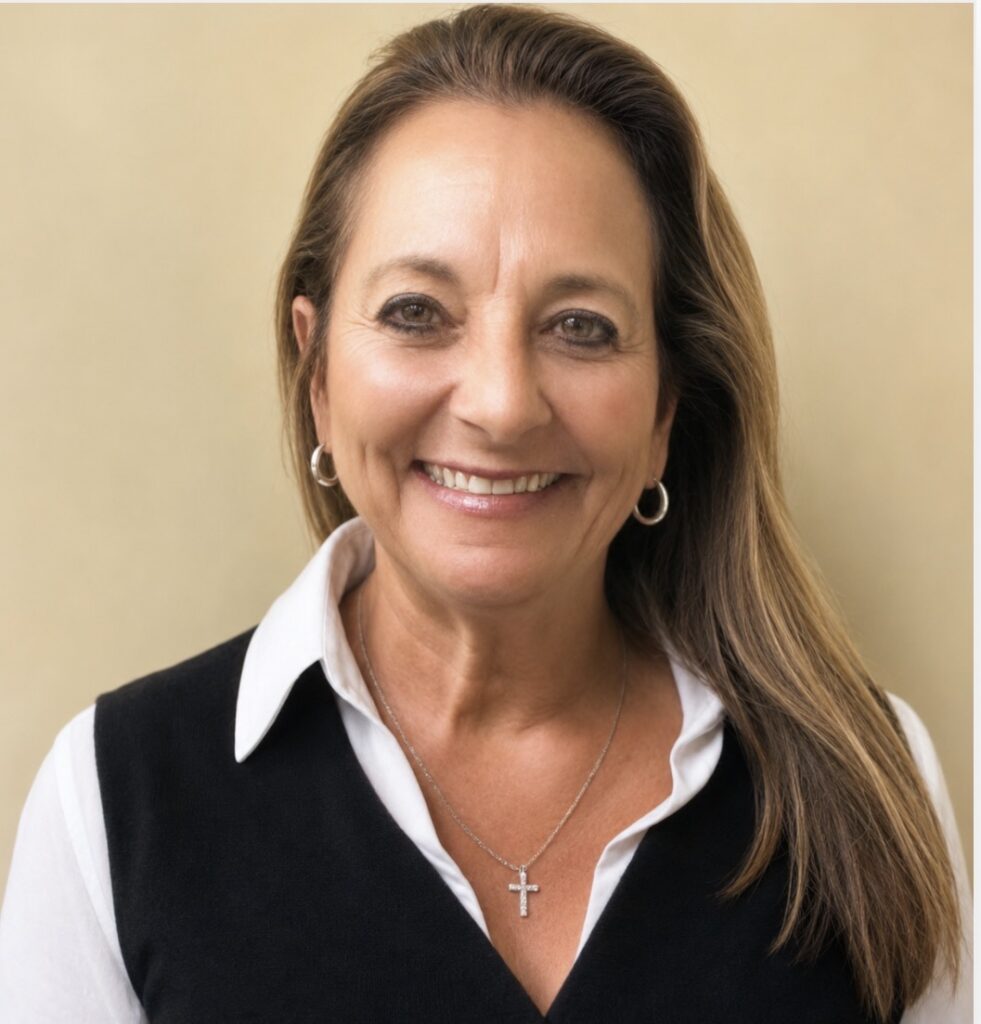
Pathways Hospice has tapped Marianne Buss as its new vice president of clinical services. Hospice News recently sat down with Buss to discuss keys to workforce retention amid worsening staffing shortages, mounting regulatory burdens and fast-paced evolutions in artificial intelligence (AI).
Buss joins the Colorado-based hospice with nearly three decades of nursing experience and 18 years of healthcare leadership roles. She provides leadership and strategic direction of Pathways Hospice’s clinical programs. Buss’ responsibilities include strengthening the organization’s quality initiatives, supporting professional development and ensuring clinical excellence and compassionate care delivery.
Pathways Hospice is an affiliate of Care Synergy, a group of nonprofit hospice, home health and palliative care providers in Colorado. Formed in 2014, the organization’s other affiliates include The Denver Hospice, Pikes Peak Hospice & Palliative Care and Superior Medical Equipment.
Care Synergy’s additional affiliates include the home-based program CAPABLE, or Community Aging in Place – Advancing Better Living for Elders, the home health provider Colorado Visiting Nurse Association and the nonprofit Colorado PACE, a Program of All-Inclusive Care for the Elderly.
What are the most significant challenges facing today’s hospice clinical workforce?
The biggest challenges I’ve come across throughout my leadership experience is workforce sustainability. It’s not unique to hospice, and it’s something we need to focus on a continuous basis because it ebbs and flows. There are times when you’ll have great retention, and then things happen and it’s a feast-or-famine kind of philosophy.
It’s really important that we are competitive when it comes to salaries, but it’s getting increasingly harder and that can’t be the only driving force for staff wanting to stay.
Leadership philosophy is really important. The most successful leaders mentor and empower our teammates. We work so hard on getting clinicians up to speed and orienting them with the skills they need. We need to dedicate just as much time toward keeping them here and growing with them.
What are the issues that keep hospice clinical leaders up at night, both among their staff and patients?
Patients always come first, that should also be our primary focus in every leadership role. Hospices [often] have difficulties with patients being referred to us at the right time. It will continue to be a challenge because there is so much turnover in healthcare. We need to get that message out as a continuous effort of how important it is to get patients early enough to provide those services with a real value to the patient and family. That’s the biggest challenge and frustration that staff often have.
One other big challenge is that as things get stricter with more stringent regulatory requirements, it can take us further away from the patient. Hospices desire to spend as much time with that patient as possible, and it is becoming cumbersome to be compliant with the clinical documentation required. That’s the forever struggle. We understand the need and mission of regulatory agencies, but sometimes it translates to less time with the patient and that’s a frustration.
What are the innovative ways hospices are seeking to ensure clinical excellence and quality?
It’s about how we need to integrate the ever-growing technologies. AI is out there and whether you love it or you’re opposed to it, we need to use it to our advantage. There is a human aspect of that; there are people feeding that information into AI. We’re going to need to embrace and use it to our advantage to make things easier and more streamlined to spend more time with patients.
And, maybe more as re-innovative, is that we have to go back to the basics. It’s very much leading by example. We need to be hands-on leaders, roll up our sleeves and teach and empower [employees] to carry out messages to the rest of their team. There is such an interdisciplinary feel here that we have to be able to go back to the basics of nursing and caregiving for all of them and reteach what has worked in the past.
What is on the horizon in hospice care delivery?
We need to always continue to evolve to be able to provide care to the patient in whatever setting they want or need while understanding their goals of care, their cultural beliefs and the desire for their own unique treatment plan. We need to continue down the road of providing very unique, patient-based care.
We do run into barriers. Sometimes regulations or payer sources are barriers. But we need to allow the patient to determine their treatment, where and how they want to die, and that’s a challenge. What’s more personal, private and more important than someone going through the dying process?
What do you think is vital for hospices to ensure strong clinical recruitment and retention amid rising demand?
Hospice is such a specialty skill. Recruiting for hospice is even more difficult. It takes a special person who has emotional intelligence, skill and the ability to navigate through the intense pressure that comes with this kind of care. It’s really important to make sure that the potential new candidate understands all of the things required.
Equally important is for the team to feel like this person is a good fit. Attracting people has to start with the right interview process. It has to be an approach made by the team. [It] allows everybody to have an opportunity, or representatives from each group of social work, bereavement, leadership, bedside nurses, to participate in determining who is right for a role. Our staff [are] our boots on the ground. We don’t always give the extended team the ability to weigh in.
Provide the support and guidance throughout, not just for 30, 60 or 90 days. It can take a good year for someone to really get acclimated into a role, especially in a hospice role because there are so many different scenarios and situations. We’re sending you into facilities, into homes and that has its own nuance and challenges. You’re helping people at their most fragile time as opposed to filing a position. It’s important to be very mindful and thoughtful about that process.
It’s making sure staff know they’re valued. We as leaders sometimes focus on what they didn’t accomplish or achieve. We need to do better at making sure they know what they did well. One of my strong suits is being there to listen [and] be that safe space. We as leaders have to make sure to be their support, their guidance and make sure they feel valued and heard.
Companies featured in this article:

