


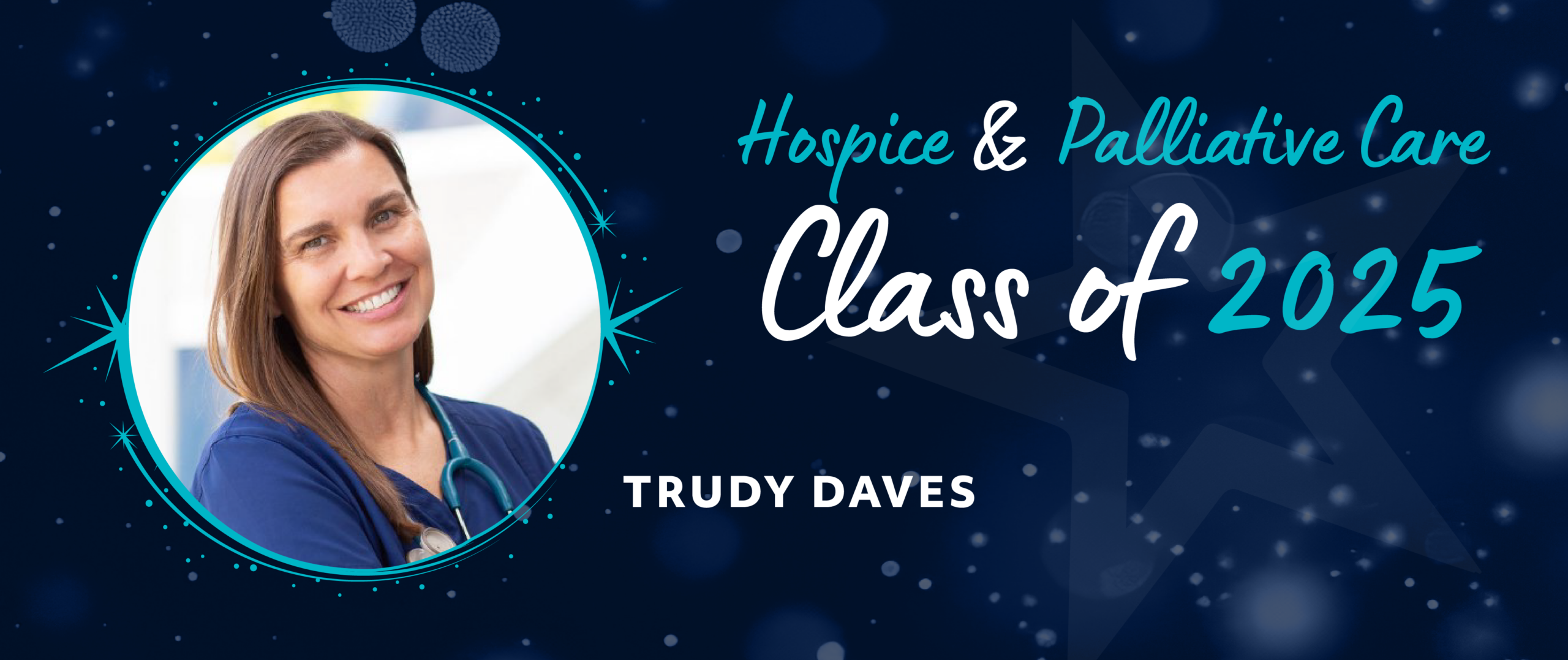


Trudy Daves, Registered Nurse Case Manager at Elara Caring, has been named to the Frontline Honors Awards Class of 2025 by Hospice News.
To become a Frontline honoree, an individual is nominated by their peers. The candidate must be:
- A dedicated, high-performing frontline worker who delivers exceptional experiences and outcomes
- A passionate worker who knows how to put their vision into for the good of their respective industry, the patients and residents they serve, and their families
- An advocate for their industry and their fellow colleagues
Hospice News recently caught up with Daves to discuss her time in the hospice & palliative care industry.
HSPN: What drew you to this industry?
Daves: I had been working in the hospital for 20 years when I made the decision to change nursing fields. I was in the Emergency Department for 10 years and Labor and Delivery for 10 years. For about 2 years prior to making the decision to change, the Lord had been leading me to hospice care. When I finally made the change, it just felt like hospice was where I was meant to be at this time in my nursing career and life.
HSPN: What’s a misconception you had about this work before you started – and how has reality differed?
Daves: That hospice was just “helping people die.” Now I realize it is so much more. It is showing patients and families compassion, empathy, and helping guide patients and their families through a very difficult time in their lives.
HSPN: Was there a moment in your career when you realized, “This work really matters”? What happened?
Daves: Yes. I had a patient who lived alone and was homebound. He told me his most favorite thing was a tomato from the garden, and that he hadn’t had one in a long time since he was unable to grow a garden. The next time I was scheduled to see him, I took him a tomato from my garden and he cried when I gave it to him. That’s when I realized it truly is the little things that matter most.
HSPN: What’s the most valuable skill you’ve developed on the front lines that people often overlook?
Daves: The ability to communicate difficult things, such as the imminence of a loved one’s death, with empathy and compassion.
HSPN: What’s one decision leaders make that has a bigger impact on frontline workers than they might realize?
Daves: Letting their hospice care team know that we are appreciated for what we do.
HSPN: What’s a simple change – policy, tool, or mindset – that would make frontline work more effective?
Daves: Every hospice nurse should have the mindset of treating every patient the same way they would treat their own family or friends.
HSPN: What gives you optimism about the future of this industry, despite its challenges?
Daves: The way the public thinks of hospice care is changing. Families and patients are seeking hospice care earlier and can be provided with more support throughout the death and dying process.
